Regulation (EU) 2023/1805 on Renewable and Hypo-Carbon Fuels in Maritime Transport
Regulation (EU) 2023/1805 of the European Parliament and of the Council of 13 September 2023 on the use of renewable fuels and low-carbon fuels for maritime transport and amending Directive 2009/16/EC represents a milestone in the transition towards more sustainable shipping in the European Union. In force since 12 October of the same year and applicable as of 1 January 2025, this regulation establishes new rules to promote the use of renewable and low-emission fuels in shipping within the EU. Its purpose is clear: to reduce greenhouse gas emissions and move towards the climate commitments of the ‘European Green Pact’ which aims to create a climate-neutral Europe by transforming the way we produce and consume.
Maritime transport, which plays a key role in the global and European economy as it handles 75% of the EU’s external trade and 31% of internal trade, has a very significant environmental impact, accounting for 3-4% of total CO2 emissions in the region.
Faced with this challenge, Regulation (EU) 2023/1805 outlines a roadmap for the decarbonisation of the sector, driving the transition to cleaner energy sources. This initiative will not only reduce pollution but also ensure the competitiveness and sustainability of maritime transport in Europe.
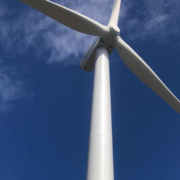
The Regulation lays down specific rules to reduce the greenhouse gas intensity of fuels used in maritime transport. One of its main features is that it applies to ships with a gross tonnage of more than 5,000 tonnes operating in EU ports, irrespective of their country of origin or destination. In addition, progressive emission reduction targets are set, starting at 2% from 01 January 2025 and gradually increasing to 80% by 2050 (1). To achieve this, it calls for the use of renewable and low-carbon fuels such as advanced biofuels, hydrogen, green ammonia and electricity. It also promotes the use of wind-assisted propulsion as a viable alternative.
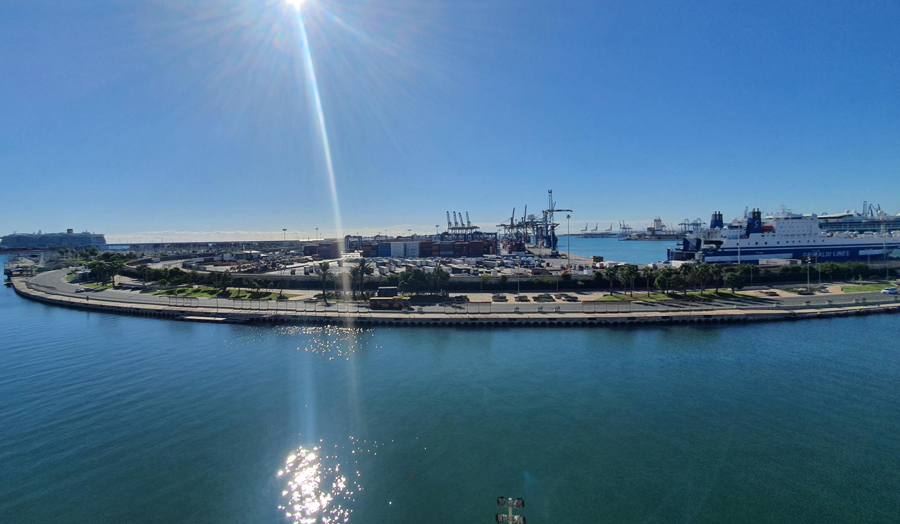
That said, one of the key elements of the regulation is the obligation to use electricity in ports. From 2030, container and passenger ships will have to be connected to the electricity grid at the quayside to avoid the use of combustion engines while in port. This measure will significantly reduce air pollution in coastal cities and improve air quality for local residents.
The implementation of Regulation (EU) 2023/1805 will have a positive impact on the reduction of pollutant emissions in maritime transport. This legislation is expected to drive innovation in propulsion technologies and encourage the development of more sustainable fuels, consolidating Europe’s leadership in green solutions for the maritime sector.
However, it also presents challenges, especially in economic terms. Shipping companies will have to invest heavily to adapt their fleets to meet the new standards. In addition, the development of adequate port infrastructures to ensure the supply of alternative fuels and the implementation of efficient electrical systems will be crucial.
Sanctions and enforcement systems: To ensure compliance with the regulation, a penalty system known as FuelEU will be implemented, which will penalise ship operators that fail to meet emission reduction targets. In addition, compensation between vessels within the same company will be allowed to balance compliance levels and facilitate a more flexible transition to clean fuels.
In conclusion, Regulation (EU) 2023/1805 marks a turning point in the regulation of maritime transport in the European Union. With these measures, the EU reaffirms its commitment to the fight against climate change and its leadership in promoting sustainable solutions for global transport, a clear example of commitment to future generations and the planet.
The effective implementation of this regulation will undoubtedly depend on the joint efforts of authorities, companies and operators in the maritime sector, who will have to adapt to this new era of green and responsible shipping and, although the transition to a more sustainable maritime industry involves challenges in terms of costs and technological adaptation, the long-term environmental and economic benefits are unquestionable.
(1) The regulation sets concrete targets compared to 2020 levels: 2% less in 2025, 6% in 2030, 14.5% in 2035, 31% in 2040, 62% in 2045 and 80% in 2050.